------------------------------
Updated:
Statistical Fishing Chart for 2012
--> Added Data from Schuylkill River (07/31, 08/04), Newton Lake (08/03), Haddon Lake (08/05, 08/07), Martin Lake (08/07), Audubon Lake (08/07), Stewart Lake (08/07), Driscoll Pond (08/07), FDR Park (08/09)
--> New PB for American Eel
--> 100+ days fishing this year! Oh Yeah!
--> New Species added: Northern Snakehead
Youtube Channel
--> Added:
1. Jay catching a Largemouth Bass at Haddon Lake
2. Me reeling in a Carp at Driscoll Pond
3. Mike catching a Chain Pickerel at Haddon Lake
4. Mike using his lure retriever to save a $20 lure
Enjoy, guys!
------------------------------
Heya, guys!
It's very hot now, so I figured it was finally time to write something about one of the most caught Species in Philadelphia: the Channel Catfish (NOTE: I'll not be focusing on Flatheads and Bullheads, etc). I've been fishing for Catfish quite a lot recently, so, I have tons of pics. Heh. Before I start my "Catfishing 101" post, let me emphasize that the Catfish around Philly is NOT REALLY edible!
Here is a link for a recent online article on fishes in Philadelphia (with my participation, heh).
Note that PCBs and Mercury will not bring you acute conditions, but chronic ones. In other words, it will not bring you symptons or illnesses right away (acute), but will accumulate in your body and bring you diseases through time (chronic). I'll emphasize them one more time, later on in this post.
--- Catfishing 101 ---
1. The Basics of Catfish
--> All Catfish in North America have four pairs of barbels ("whiskers") around the mouth, which are used as organs for taste and feel. They are extremely sensitive to touch, and also covered with taste buds! Therefore, it's an essential tool in terms of foraging.
--> Catfish have sharp spines in their dorsal (above) and pectoral (sides) fins. Avoid it at all costs, fishermen! They can inflict painful wounds, specially if the Catfish is young. Also, it is good to notice that many different types of Catfish (Channel, Flathead, Bullhead, etc) have venom cells around the skin covering these spines. Again: always be cautious while handling a Catfish!
--> Catfish do not have scales. Instead, they have a smooth, naked skin. Some types of weird Catfish have spiny plates or overlapping shields, but never scales.
--> Like Trout and Salmon, Catfish have an "adipose fin" on the rear of their back.
Curious fact from Brazil (of course!): The most fearsome type of Catfish is not a giant Catfish, but a very very small one - half inch long! They are very different than regular Catfish: they are a blood-sucking type of Catfish, Eel shaped. They are the only Species of Catfish that parasitize human being. They have a frightening habit of entering the human genital opening (male or female) and swimming all their way up to the urethra, finally merging themselves with the human host. This is no HORROR tale, it's REALITY! Their name in Portuguese is "Candirus."
2. The 5 Senses
Before I start talking about rigs, baits, and techniques, it's of utmost importance that oneself should understand the basic anatomy and physiology of the fish. I'll save that for you guys to google! I'll be focusing on the fish's senses: smell, taste, hearing, sight, and the Catfish's special sense - electrosensing. I'll be as brief as I can here, but very detailed as well.
Smell:
Well...it's a fact that the Catfish have an awesome sense of smell. The smellers are located right in front of their faces, up-front the eyes and behind the upper jaw. Catfish are very powerful: they can detect food from vast distances, not to mention that they can find food even when the water visibility is ZERO.
Each olfactory pit has two nostrils - incoming and outgoing water. Inside the pits, there's a line of sensitive tissue wrinkled together into a series of folds, so the surface area is maximized. More surface area means a better ability to smell. The secret of the Catfish's sense of smell is in the number of folds inside the olfactory pit: more than 140 folds! For you guys to have an idea, a Rainbow Trout has only 18 folds, while a Largemouth Bass has only 8 to 13 (they depends completely to sight!).
Basically, this is what happens:
Water enters one nostril --> water travels through the sensory tissue [--> if food is detected, message is sent to the brain] --> water exits at the other nostril.
Just how powerful is their sense of smell?! Answer: 1 part of a certain compound per 10 billion parts of water. WOW! Heh.
Taste:
In most Species of fish, the taste buds are only found in the mouth: on the tongue, palate, etc. Also, there are not vast amount of taste buds there neither. With Catfish, it's a whole different level...
The Catfish's smooth scaleless skin is completely covered with taste buds! Imagine a huge swimming tongue: that's what a Catfish is. For you guys to have an idea, a 6 inch long Catfish has more than a quarter million taste buds (250.000+). On the flank of an adult Channel Catfish, there are at least 5.000 taste buds/cm²-skin.
Even in the dark muddy water, Catfish will be able to locate food with their "body." Also, with this much power, they are even able to detect chemicals from food that is far away.
Hearing:
Catfish don't have ears like we do, but that doesn't necessarily mean that they cannot "hear." Just like us, they can "hear" through sound waves that travels through a certain medium (ambient). For us, human beings, the sound waves are generated through the vocal cords, travels through a medium (air), and finally arrives inside our ears, where a complex physical and biological process takes place, changing the waves into information for our brain to process.
It's time for a little bit of Physics and Biology! (which are areas that I'm very familiar with! Associate's focused in Biology, and Bachelor's in Physics and Mathematics.)
With the Catfish, it's a little bit different. Waves come from a different medium (water), and they receive the sound waves through their skin. In reality, a Catfish's ear is basically its "swim bladder," which is a very fragile organ that vibrates with any sound wave, as much as our eardrums do. The swim bladder is an organ inside the fish that contains gas. In other words, it creates a space filled with air with a different density than anywhere else in the Catfish.
Basically, this is what happens:
Sound waves travel through a medium (water) --> Sound waves hit the Catfish's skin --> Sound waves hit the swim bladder --> Sound wave is amplified by the bladder, finally traveling to the "otoliths" - small ear bones in the Catfish's inner ear --> Otoliths vibrate a bit, transferring the message to the brain.
Most fishes have an independent swim bladder. In other words, the swim bladder is not connected to the inner ear. Those fish (Bass and Trout, for example) detect sounds from about 20 to 1.000 cycles per second. Catfish, on the other hand, have a connection between the bladder and the inner ear - a series of vertebral bones known as the "Weberian Apparatus." Because of this small connection, Catfish hears sounds of much higher frequency, even up to about 13.000 cycles per second.
Are you amazed yet that Catfish is not your regular type of fish? This fish did not receive the finickiness of the Trout, or the instinctive smartness of the Bass - which are factors that make the sport challenging, but received characteristics that work for its survival - a true hunter and warrior of the waters. If you are not amazed yet, wait until you read about it's 5th sense - "electrosensing."
Continuing...High frequency sounds are not everything that a Catfish can detect. This type of fish can also detect very low frequency sounds; however, it uses a different method of detection. The sounds that cannot be detected by the inner ear are eventually picked up by a series of small pores that run along the fish's side lines - the famous "Lateral Line." Every fish has a lateral line, and now you know its function! Cool, isn't it? It's not there just to make the fish prettier.
However, these pores also exist around the eyes of the Catfish, under the lower jaw, and also over its head. Inside these pores are cells that are like "little hair," which is very similar to the cells inside an inner ear. The hair like cells bend in response to water displacement, and therefore, stimulates nerve endings that send signals to the brain.
It's by using this system that Catfish can locate local preys, potential enemies, and even other Catfish! Have you ever wondered how fish can differentiate other fishes than their own kind? There we go! Also, it's with this system that Catfish can locate small creatures scurrying on the bottom, flopping at the surface, swimming through the water or even walking along a riverbank! (be careful where you step, and how you step, fellas!) All these actions create low-frequency vibrations in the water - all very detectable by the lateral line.
Curious fact 1: It seems that a lot of curiosities are shown in the TV program referred as "River Monsters," Jeremy Wade being the main protagonist. I remember an episode of a Catfish in Japan known for showing up before catastrophes arrived. Well...One curious fact about Catfish is that thousands of years ago, Chinese people used to have them in their tanks to detect future catastrophes - mainly earthquakes. Certain kinds of Catfish are ultra-sensitive to low-frequency vibrations. They can detect the rumblings between tectonic plates beneath the Earth's crust, and "foresee" earthquakes days in advance! Man, I'm so glad I took Environmental Conservation and Earth Formation in college. Cheers to Christopher Murphy, my old professor in that field.
Curious fact 2: I guess I should be thankful for my psychology classes as well. If you guys are not familiar with Pavlov's experiment with his dogs, click here. Never mind the question and answer, although they are interesting! The main purpose for this link was the picture. It's the "conditioning" that is imposed upon someone. The conclusion of Pavlov's experience on his dogs was simple: the dogs would start to salivate when the bell/tuning fork was rang, even though there would be no food present. It's very related to expectations and habits.
With the Catfish, it's the same! Not only CATFISH, other Species of fish AS WELL! If you can find the "Pavlov's pattern" (that's how I call it) in a certain lake, you are APT to get fish! Channel Catfish raised in fisheries often rise to the surface of the water in response to people's footsteps, thinking that the person is there to feed them. Largemouth Bass that feed on top creatures will often hit a lure on top water when they hear the sound of the lure hitting the water, and see the motion of the lure in action.
Sight:
Many people believe in the fallacy that Catfish have bad vision because of their good sense of smell and hearing. It's taught in certain countries that predatory fish have big eyes, while foraging fish have small eyes. Well...this is a fallacy. Catfish have an excellent vision, and some of them will frequently feed on live fish. In clear water, specially, sight is the primary sense in terms of hunting live prey.
Also, Catfish have a REALLY good vision at night time. Have you guys ever catch a Walleye? The eyes of a Walleye, which is a nocturnal type of fish, are shiny! They glow in the dark. That's because their eyes are glowing from the reflection of the light on a thin layer of crystals located at the back of their eyes, referred as "Tapetum Lucidum." This thin layer reflects gathered light back at the retina; in other words, it aids a lot when it comes to night vision.
Also, it's a fallacy to say that Catfish can only see in black and white. Rods and Cones are present in almost equal numbers in Catfish. Rods allow a good vision in dim light, and Cones are cells responsible for color vision.
Curious fact on the Schuylkill: after fishing for Catfish on a float, I kind of realized that there's a very viable explanation for it. I should be happy that I took some Philosophy classes at college, specially giving focus to Darwin, evolution, and adaptation. For the moment, this is a hypothesis: one can say that there are two different types of Catfish at the tidal Schuylkill River, although they are both from the same Species - Channel Catfish. One type is the foraging type: round body - "fat," adapted to bottom-feeding. The other type is the predatory type: flat body - "torpedo" style, adapted to current-feeding. Their jaws are different, and even their colors are not the same. Adaptation - that's what it's about. For now it's just a hypothesis, but I'm working on this idea more and more. I gathered all these information with the data I collected recently, specially on the day that I fished 50 Catfish at the Schuylkill River on a float (my first time getting a limit on Catfish! Everyone was release unharmed! That's when I noticed that their body structure is very different from the Catfish that I caught on the bottom). Here's the data that I collected on July 26th, when I got 50 Catfish in a single day - all on a float:
1. 3.12lbs, 19 inches 2. 2.36lbs, 17 inches 3. 1.12lbs, 14 inches
4. 1.74lbs, 15 inches 5. 3.86lbs, 19 inches 6. 1.60lbs, 15 inches
7. 3.05lbs, 20 inches 8. 2.55lbs, 19 inches 9. 1.28lbs, 14 inches
10. 1.40lbs, 13 inches 11. 4.21lbs, 22 inches 12. 2.90lbs, 17 inches
13. 2.88lbs, 18 inches 14. 3.21lbs, 21 inches 15. 3.60lbs, 22 inches
16. 1.74lbs, 16 inches 17. 1.94lbs, 17 inches 18. 2.13lbs, 17 inches
19. 2.05lbs, 14 inches 20. 3.29lbs, 19 inches 21. 2.70lbs, 18 inches
22. 2.44lbs, 16 inches 23. 4.10lbs, 22 inches 24. 2.91lbs, 19 inches
25. 4.49lbs, 24 inches 26. 3.76lbs, 19 inches 27. 1.22lbs, 15 inches
28. 1.65lbs, 17 inches 29. 1.03lbs, 13 inches 30. 2.05lbs, 16 inches
31. 2.37lbs, 18 inches 32. 1.44lbs, 15 inches 33. 2.76lbs, 20 inches
34. 1.89lbs, 17 inches 35. 4.11lbs, 21 inches 36. 3.01lbs, 18 inches
37. 1.27lbs, 13 inches 38. 2.88lbs, 18 inches 39. 2.45lbs, 16 inches
40. 2.77lbs, 19 inches 41. 4.54lbs, 22 inches 42. 3.15lbs, 21 inches
43. 1.45lbs, 15 inches 44. 4.28lbs, 23 inches 45. 2.90lbs, 19 inches
46. 4.18lbs, 20 inches 47. 3.67lbs, 16 inches 48. 1.97lbs, 18 inches
49. 2.04lbs, 16 inches 50. 2.30lbs, 17 inches
1. 3.12lbs, 19 inches 2. 2.36lbs, 17 inches 3. 1.12lbs, 14 inches
4. 1.74lbs, 15 inches 5. 3.86lbs, 19 inches 6. 1.60lbs, 15 inches
7. 3.05lbs, 20 inches 8. 2.55lbs, 19 inches 9. 1.28lbs, 14 inches
10. 1.40lbs, 13 inches 11. 4.21lbs, 22 inches 12. 2.90lbs, 17 inches
13. 2.88lbs, 18 inches 14. 3.21lbs, 21 inches 15. 3.60lbs, 22 inches
16. 1.74lbs, 16 inches 17. 1.94lbs, 17 inches 18. 2.13lbs, 17 inches
19. 2.05lbs, 14 inches 20. 3.29lbs, 19 inches 21. 2.70lbs, 18 inches
22. 2.44lbs, 16 inches 23. 4.10lbs, 22 inches 24. 2.91lbs, 19 inches
25. 4.49lbs, 24 inches 26. 3.76lbs, 19 inches 27. 1.22lbs, 15 inches
28. 1.65lbs, 17 inches 29. 1.03lbs, 13 inches 30. 2.05lbs, 16 inches
31. 2.37lbs, 18 inches 32. 1.44lbs, 15 inches 33. 2.76lbs, 20 inches
34. 1.89lbs, 17 inches 35. 4.11lbs, 21 inches 36. 3.01lbs, 18 inches
37. 1.27lbs, 13 inches 38. 2.88lbs, 18 inches 39. 2.45lbs, 16 inches
40. 2.77lbs, 19 inches 41. 4.54lbs, 22 inches 42. 3.15lbs, 21 inches
43. 1.45lbs, 15 inches 44. 4.28lbs, 23 inches 45. 2.90lbs, 19 inches
46. 4.18lbs, 20 inches 47. 3.67lbs, 16 inches 48. 1.97lbs, 18 inches
49. 2.04lbs, 16 inches 50. 2.30lbs, 17 inches
Note: the last 13 fish were caught at night.
Electrosensing:
Electroreception is, perhaps, the MOST AMAZING sense that a Catfish has. A regular Catfish has pores on its head, which are sensory organs that detect electrical fields in living organisms. Electroreceptive pits are also located in their lateral line. What electrical fields, you ask? Well...let me just mention that a heart is like a "battery." As a matter of fact, every cell in every living organism is like a battery!
Let's go for a little bit of Biology and Physics together!
Every living cell is a battery itself! Talk about ATP (adenosine-5'-triphosphate), which is the main source of energy that our cells use to function (for Biology majors - Mitochondrion and all that stuff). Energy...it's all about energy! Well...better saying, if you were to stick an electrode inside a cell and another outside it, you would get a reading on your machine. It's the same concept of measuring a battery with a voltmeter. Catfish detect these electrical fields in their prey at MINUTE LEVELS, almost the same as detecting a flashlight battery from several thousand yards. Catfish can detect a prey's heartbeat from far away!
This sense is extremely helpful in dark muddy water! Ever wondered how they would be able to find small minnows in a type of water where visibility is almost zero? This is your answer: electrosensing, just like the sharks.
Strong sense of smell and hearing. Very good tasting and vision. Also a 5th sense to help them out - electrosensing. Are you convinced yet that Catfish is not your regular fish around?
Well...that's it for the senses!
3. Locations around Philadelphia/NJ.
Alright. Now, you know how to properly identify a Catfish. Also, you understand some of their attitudes and behaviors. This is the third part of this "Catfishing 101:" where can you find them around Philly? Location is certainly important, and the "burning spots" idea comes up very often on fishing forums, websites, blogs, and so on.
Have you ever wondered why I decide to reveal so many spots to people, and encourage them to fish there? Simple: I want to encourage people to practice a healthy sport with a healthy mind. That includes releasing fish that either will not be consumed, or is rare at a certain body of water (concept of selective harvest); harvesting fish in fair quantities - always thinking about the aquatic ecosystem and its sustainability (concept of over harvesting); leaving a fishing place the way it was when you arrived (concept of littering and pollution), and so on. Basically, I believe that once people love something, they can change for it. I'm a believer and a dreamer that all fishermen with good knowledge will be able to take good care of nature and fish. I know that achieving "all" is impossible, but I want to pass the message to as many as I can. If most people were like that, "burning spots" would no longer be an issue. Think about it. Anyways...back to locations:
There are two main locations around Philly that are PERFECT for catfishing: The Delaware River, and the Schuylkill River. The Delaware is mainly between PA and NJ; therefore, the Philadelphia-slash-New Jersey. Also, you can find them in all tributaries of the Schuylkill and Delaware Rivers, and even some Lakes in NJ.
Simplifying: they are all around! I'll emphasize the Schuylkill and the Delaware in this section of this post.
Delaware River:
The Delaware River is the river with biggest Channel Catfish around! When fished at night, and with proper bait, the chances of getting a potential 10lb+ Channel are high. There are, of course, disadvantages to this River: the number of snags on this body of water is outrageous! First, it's because of industrial junk that has been submerged there for centuries, not to mention rocks, etc. Then, you have this "Eel" infestation at the Delaware. As soon as they get the bait of an amateur fisherman, they will take it straight to their "holes," resulting in a big snag. Therefore, you are advised: be careful where you drop your line, and always fish the Delaware with tight lines, giving Eels very limited mobility.
Here are some locations that are accessible by public transportation.
Therefore, don't ask me for directions! Hah.
I made a little map on Google Earth, and pointed out some locations (indicated by the little orange fish). If the visualization is too small, click on the picture to magnify it (original size). From North to South: The Hatcheries, Penny Pack at Delaware, Frankford Arsenal, Penn Treaty Park, Race Street Pier, and Pier 70 on Columbus Boulevard.

Race Street Pier: It used to be an AWESOME spot - Catfish, Stripers, big White Perch...but now it's closed forever for fishing! I'm only including it here because I've heard of fishermen fishing it from outside the park. It's pretty weird to do that, but hey...there's fish there! You can read more about the Race Street Pier here. Note that the post is pretty old. My writing style changed quite a bit, huh? No? Hmmm..Oh well. Hah. Note that I caught a type of Catfish there that was 9.8lbs!!! I kept insisting that it was a Bullhead, but everyone was telling me that Bullheads don't get that big (which is obvious), and the state record is wayyyy below 9.8lbs. (also obvious) Oh well...it was some type of Catfish that either looked a lot like a Bullhead, or it was a mutated Bullhead or something like that. Well...I'm upset until this day that I did not take a picture of the fish! And guess what? If it lives around there, chances of catching it again are thin!
Let's go for a little bit of Biology and Physics together!
Every living cell is a battery itself! Talk about ATP (adenosine-5'-triphosphate), which is the main source of energy that our cells use to function (for Biology majors - Mitochondrion and all that stuff). Energy...it's all about energy! Well...better saying, if you were to stick an electrode inside a cell and another outside it, you would get a reading on your machine. It's the same concept of measuring a battery with a voltmeter. Catfish detect these electrical fields in their prey at MINUTE LEVELS, almost the same as detecting a flashlight battery from several thousand yards. Catfish can detect a prey's heartbeat from far away!
This sense is extremely helpful in dark muddy water! Ever wondered how they would be able to find small minnows in a type of water where visibility is almost zero? This is your answer: electrosensing, just like the sharks.
Strong sense of smell and hearing. Very good tasting and vision. Also a 5th sense to help them out - electrosensing. Are you convinced yet that Catfish is not your regular fish around?
Well...that's it for the senses!
3. Locations around Philadelphia/NJ.
Alright. Now, you know how to properly identify a Catfish. Also, you understand some of their attitudes and behaviors. This is the third part of this "Catfishing 101:" where can you find them around Philly? Location is certainly important, and the "burning spots" idea comes up very often on fishing forums, websites, blogs, and so on.
Have you ever wondered why I decide to reveal so many spots to people, and encourage them to fish there? Simple: I want to encourage people to practice a healthy sport with a healthy mind. That includes releasing fish that either will not be consumed, or is rare at a certain body of water (concept of selective harvest); harvesting fish in fair quantities - always thinking about the aquatic ecosystem and its sustainability (concept of over harvesting); leaving a fishing place the way it was when you arrived (concept of littering and pollution), and so on. Basically, I believe that once people love something, they can change for it. I'm a believer and a dreamer that all fishermen with good knowledge will be able to take good care of nature and fish. I know that achieving "all" is impossible, but I want to pass the message to as many as I can. If most people were like that, "burning spots" would no longer be an issue. Think about it. Anyways...back to locations:
There are two main locations around Philly that are PERFECT for catfishing: The Delaware River, and the Schuylkill River. The Delaware is mainly between PA and NJ; therefore, the Philadelphia-slash-New Jersey. Also, you can find them in all tributaries of the Schuylkill and Delaware Rivers, and even some Lakes in NJ.
Simplifying: they are all around! I'll emphasize the Schuylkill and the Delaware in this section of this post.
Delaware River:
The Delaware River is the river with biggest Channel Catfish around! When fished at night, and with proper bait, the chances of getting a potential 10lb+ Channel are high. There are, of course, disadvantages to this River: the number of snags on this body of water is outrageous! First, it's because of industrial junk that has been submerged there for centuries, not to mention rocks, etc. Then, you have this "Eel" infestation at the Delaware. As soon as they get the bait of an amateur fisherman, they will take it straight to their "holes," resulting in a big snag. Therefore, you are advised: be careful where you drop your line, and always fish the Delaware with tight lines, giving Eels very limited mobility.
Here are some locations that are accessible by public transportation.
Therefore, don't ask me for directions! Hah.
I made a little map on Google Earth, and pointed out some locations (indicated by the little orange fish). If the visualization is too small, click on the picture to magnify it (original size). From North to South: The Hatcheries, Penny Pack at Delaware, Frankford Arsenal, Penn Treaty Park, Race Street Pier, and Pier 70 on Columbus Boulevard.

Now...a couple notes on the dotted portions of the map (from NORTH to SOUTH):
The fish hatcheries at Linden Ave: A nice spot to go for. It has a parking lot, and lots of rocks to fish from. If you know the spots around there, you will certainly get no snags! Big Channels at night, for a fact. If you get bored of the Delaware River, you can always go give it a try at the hatcheries for Carp and LMB (there are 5lbers there - catch and release only, guys! It's the law).
Penny Pack at Delaware: A very pretty spot. The government did a good job at this location: it's convenient, quite safe, and has a path for easy access. I never had too much success over there, but I've seen people pull 5lb Catfish out of the River, on chicken livers. Also, the place has a low rate for snags, which is great for any fisherman! If the tide is high, you can fish the sides of the pier for White Perch and Sunnies - very entertaining for kids. Often, you will get a Catfish there too (as they come in to feed)!
Frankford Arsenal: This is one of the safest locations to fish at the Delaware. It's basically a property owned by the Boat and Commission that is opened at certain times of the year for fisherman to fish. That's it! That's the purpose of it. The most left of the Frankford Arsenal is the best spot for Catties and Stripers (during Spring.)
Penn Treaty Park: Certainly, there are Catfish there. However, try to aim for that location when the tide is high. Your chances of getting a nice fish will be when the tide is going from low to high. The park itself is quite abandoned, and the ambient isn't that great. Therefore, watch out for trouble. Maybe, one day, that was a wonderful place to be fishing at. The World moved on...
Pier 70: It's not very convenient to fish there, but it has easy parking. Also, there's a Walmart right next to the River. Watch out for private properties: you don't want to fish inside them. Think it this way: would you like if someone invaded your property to go fishing? If this doesn't convince you, think it this way: is it worth to risk yourself and have background problems and headaches because of trespassing a property? Therefore, be careful with private piers.
Note: there's a new pier next to the Tacony bridge that opened in May. As a matter of fact, Mayor Nutter was there for the opening ceremony! The Bus 84 will take you there. I've never tried there before, so I can't comment too much on it. All I know is that a lot of people got a lot of snags around those parts.
These are only a couple spots at the Delaware, of course! One can also fish from Camden (close to the Aquarium), Pulaski Park, etc etc etc. If you have a boat, things get even better - there are a couple secret spots at the Delaware for good Walleyes! Heh. That's a subject for future posts.
Schuylkill River:
The Schuylkill River is definitely one of the best places to fish in Philadelphia! I did a very specific post on it before. Anyways...let's focus on Catfish. The Schuylkill is long; therefore, I'll focus only on a couple locations. They all hold Catfish, although sizes cannot be compared to the fish in the Delaware (a 5lb Channel is a good size for the Schuylkill River). Most of the spots are very pleasant, though. After all, they are all part of the Fairmount Park system.
Here's a map to aid you. The locations are indicated with the little orange fish. If the visualization is too small, click on the picture to magnify it (original size). From North to South: Manayunk Canal, Kelly Drive, Fairmount Dam, Schuylkill Banks, Grays Ferry Trail.

Now...a couple notes:
Manayunk Canal: Be careful with snags! Other than that, everything should be fine. The Manayunk Canal is a small body of water that branches out of the Schuylkill River. It has Common Carp, Largemouth Bass, Gizzard Shad, and your regular Channel Catfish. Although Channel Catfish is not mainly what people fish for over there, it's still present in it.
Kelly Drive: Very convenient; very nice. There are a couple parking lots around Kelly Drive, and the River is right next to the Schuylkill trail. Therefore, it's an area with wide access for fishing. Big Flatheads at certain portions of it (I'll not focus on it), as well as big Channels at night. Be careful with your lines, though - there are lots of people rowing over there. Watch out for weekends.
Fairmount Dam: One of the best fishing spots in the city, if not the BEST SPOT. Focusing on Catfish...this is an unique spot to try some float-fishing with live minnows. The Float-fishing will work with other baits as well. Catfish at this portion of the River are very predatory. There are two sides that can be fished: the fish ladder (on the left of the map), and a small place close to the Fairmount Dam (on the right side of the River).
Schuylkill Banks: Probably the most comfortable fishing spot that you will find IN THE CITY. Sustained by the SRDC (Schuylkill River Development Corporation), it's a pleasant spot: clean, with illumination, nice environment, and awesome people. Once in a while, you will find a crazy one...but this is Philadelphia, right?! Can't be perfect! Here's the link for a post that I did on "Catfishing at the Schuylkill Banks." It comes with a variety of baits as well! There we go! If you want to read more about the Banks, you can access their official website.
Grays Ferry Trail: This is the new portion of the Schuylkill Banks that opened recently (a couple months ago). I haven't been there personally, so I can't say much about it. However, I can certainly state that I expect that location to have the same kind of fish as the Walnut street bridge. After I give it a try, I may update this part of this post. =)
As always, there are other spots on the Schuylkill River...there's a spot behind a certain UPS, there's the Black Rock Dam, etc etc etc. So, there's plenty for everyone to explore! Heh.
4. Baits
Okay...now you know where to find them, how to identify them, and how they "sort of" behave. There's certainly a step missing in-between, isn't it? Indeed. Let's focus now on "how to catch them." Let's start with baits!
Here's a post with some bait options. I'll do a little bait list over here, and also add some labels for a more efficient comparison/contrast between them (the ratings go from 0/10) - kind of a video-game style thing. Have you ever played some RPG at home? Here's your chance to apply some video-game knowledge here, and try to choose the bait that suits you most. If you never played one, don't be afraid - analyze, and "thou shall pick the rightful one." The ratings are being given out from my personal experience + online research, of course. Nothing is really biased here.
I've included a selection of basic baits (i.e. nightcrawlers - the fish will or found these naturally one day), a selection of weird baits (i.e. bubblegum - the fish will never find that in a natural environment), and a selection of "smart" baits (i.e. chicken livers - the fish will detect these from far away).
Labels:
Q = Quality (Size). Higher the rating, higher the chances of you getting a big Catfish!
S = Species (Variety). Higher the rating, lower the chances of different Species of fish (other than Catfish).
T = Time (Efficiency). Higher the rating, faster the fish should bite.
Live bait (minnow) - Q: 10/10 S: 10/10 T: 3/10
Cut bait (fish) - Q: 10/10 S: 8/10 T: 2/10
Chicken Liver (or any other liver) - Q: 7/10 S: 5/10 T: 8/10
Nightcrawlers (or any other type of earthworm) - Q: 2/10 S: 2/10 T: 10/10
Waxworms - Q: 1/10 S: 1/10 T: 5/10
Soap (with animal fat) - Q: 10/10 S: 10/10 T: 1/10
Marshmallows - Q: 4/10 S: 10/10 T: 5/10
Hot Dog - Q: 3/10 S: 5/10 T: 8/10
Corn - Q: 3/10 S: 9/10 T: 7/10
Bread - Q: 3/10 S: 7/10 T: 5/10
Catfish dough (trusted brands) - Q: 2/10 S: 8/10 T: 10/10
Bubblegum - Q: 3/10 S: 10/10 T: 3/10
Shrimp - Q: 7/10 S: 8/10 T: 8/10
Lures (in general) - Q: 7/10 S: 1/10 T: 1/10
I hate the fact the blogger doesn't have a "Table" option. Grrr! Anyways...Be the Lord of your own judgment, guys! Of course, there are other baits out there for Catfish. Do you really think I would reveal my darkest secrets? Heh. Exploring is part of fishing, isn't it? Note that if one bait is 10/10, and the other is 5/10, it means that one is "double" the other, for whatever meaning it has. Note that if one is 2/10, and another is 1/10, it means that one is a little bit more effective over the other one. And so on...
4. Rigs/Techniques/Set up
Finally...you know where to catch them, what to use, how to identify them, how they behave! Now, this is the last section of this "Catfishing 101" post (hallelujah!): what equipment to use, how to tie your rigs properly, and how to avoid snags (as much as possible).
Let's start with set up. These are the set ups that I recommend, depending on what "kind" of fisherman are you. There are those that play the fish (loose drag, light set up), and there are those who fight with utmost strength (tight drag, heavy set up). There those who are in between, and so on. It depends totally on the person, and the circumstances. The set ups are adapted for the Schuylkill and Delaware River, guys!
Light:
--> Light action rod (never ultra-light)
--> Line: Monofilament/Fluorocarbon 4-8lbs
--> Weight: less than 1oz
--> Drag: very loose
--> Optional swivel: no.
--> Hook: depends on how greedy the user is. (#1-#8)
Notes: sometimes a split shot will do for this kind of set up. Works best where/when current is weak (slack tides, highest, lowest, slow pools). Adding a swivel here is a bad option: you have 2 more knots to apply tension on, and the line may break upon a big fish. Remember: knots like the improved clinch and palomar are 90% resistant, as book say, but not totally reliable. Never totally reliable. Less knots = less chances of losing the fish. Maximum perception of the fish's strength!
Medium:
--> Medium action rod
--> Line: Monofilament/Fluorocarbon 8-15lbs, Braided 15lbs- (less than)
--> Weight: 1oz
--> Drag: loose
--> Optional swivel: yes
--> Hook: depends on how greedy the user is. (#1-#8)
Notes: a slip-sinker or three-way rig is recommended. Works good under normal current (increasing, decreasing tide). Adding a swivel here is really necessary for this rig. Good perception of the fish's strength!
Heavy:
--> Heavy Action rod
--> Line: 20-50lbs Braided, 30lbs+ Monofilament/Fluorocarbon
--> Weight: 2oz+
--> Drag: tight
--> Hook: depends on how greedy the user is. (#1-#8)
--> PUMPING is a very good technique for playing any large fish, and is recommended here.
--> the size of your hook will depend on how "greedy" you will be upon catching a fish. If you are planning to catch BIG CHANNELS, you should definitely purchase some big 5 Gamakatsu hooks.
--> NEVER close the reel before your sinker hits the bottom. Let the line go out until your weight hits the bottom. You will feel it - a "tac," and your line will go slack. If you don't, you bait will fall within a certain angle instead of 90 degrees (vertically), meaning that the bait will "come back" a little bit of distance.
--> ALWAYS reel in a little bit of line after your weight sinks all the way down. This will make sure that you have no snags, and your rig is straight (and not tangled). Also, because your line will be straight, your hookset chance dramatically increases! After all, the tension applied at the time the fish bites is better when there's no slack line.
--> ALWAYS keep an eye for small bites. It could be an Eel. If it's an American Eel, your chances of getting a snag just increased dramatically. This type of fish will drag your hook into their "houses," often under structure. As soon as you detect a small bite, and think it's not a Catfish, you should reel your line slightly!
Alrighty! Now you are good to go. You have learned:
--> Where to find them (locations)
--> What bait to use
--> How to set up your equipment
--> How do they behave
I'll leave the rest to you, since this is not everything! After all, it's a 101, right? Hah. There are still the tides and the moon, safely releasing the fish, hooking the bait in an appropriate wait, hints and tips, and so on...There's always more to learn, isn't it?
Below are pictures of recent Channel Catfish. Fish ranges from 1lb-6lbs. Enjoy!

June 24th, Schuylkill River between Walnut and Chestnut.

June 24th, Nadir G., Schuylkill River between Walnut and Chestnut.

June 24th, Schuylkill River between Walnut and Chestnut.

June 24th, Jay D., Schuylkill River between Locust and Walnut.

June 28th, Schuylkill River between Walnut and Chestnut.

June 29th, Schuylkill River between Walnut and Locust.

July 5th, Cooper River Lake - NJ (at Haddonfield).

July 6th, Schuylkill River between Walnut and Chestnut.

July 9th, Olye K., Schuylkill River between Walnut and Locust.

July 9th, Olye K., Schuylkill River between Walnut and Locust.

August 2nd, Mike B., Schuylkill River between Walnut and Chestnut.

August 2nd, Mike B., Schuylkill River between Walnut and Chestnut.

July 21st, Schuylkill River between Walnut and Locust.

July 12th, Jay D., Schuylkill River at Race st.

August 4th, Schuylkill River between Walnut and Locust. (1:19 p.m.)

August 4th, Jay D. and his Cousin, Schuylkill River between Walnut and Locust. (3:04 p.m.)
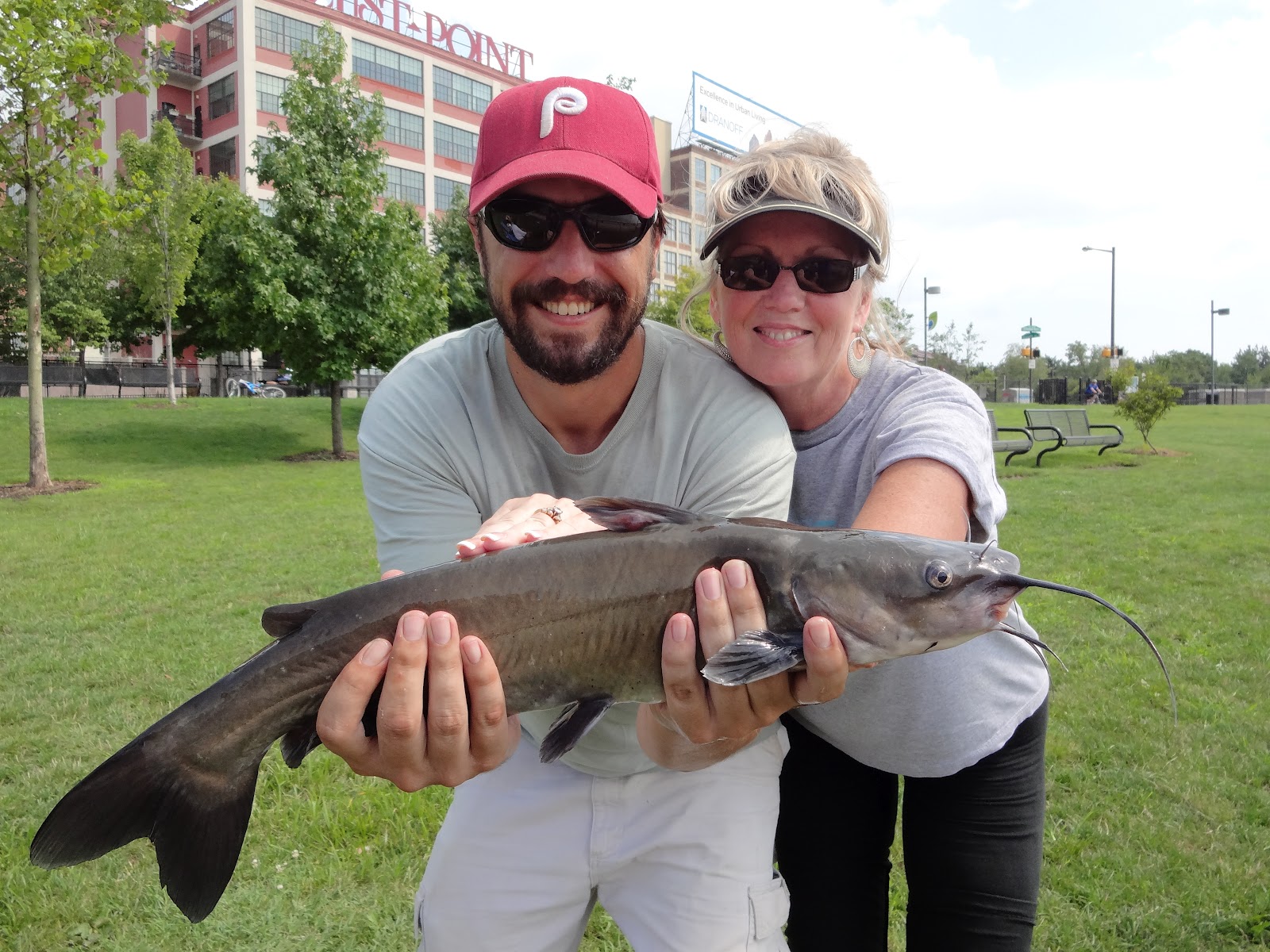
August 4th, Jay D. and his Mother, Schuylkill River between Walnut and Locust. (3:11 p.m.)

August 4th, Jay D. and his Mother, Schuylkill River between Walnut and Locust. (3:43 p.m.)

July 15th, Cooper River Lake - NJ.

July 15th, Cooper River Lake - NJ.

July 21st, Schuylkill River between Walnut and Locust. (12:44 p.m.)

July 21st, Schuylkill River between Walnut and Locust. (1:01 p.m.)

July 21st, Schuylkill River between Walnut and Locust. (3:00 p.m.)

July 21st, Schuylkill River between Walnut and Locust (3:36 p.m.)

July 22nd, Jay D., Schuylkill River between Walnut and Locust.

July 22nd, Jay D., Schuylkill River between Walnut and Locust.

July 22nd, Eamon, Schuylkill River between Walnut and Locust.

July 23rd, Jay D., Schuylkill River between Walnut and Chestnut.

July 23rd, Jay D., Schuylkill River between Chestnut and Walnut.

July 25th, Jay D., Schuylkill River between Walnut and Locust. (2:15 p.m.)

July 25th, Jay D. and Leo S., Schuylkill River between Walnut and Locust (2:50 p.m.)

July 25th, Jay D., Schuylkill River between Walnut and Locust. (3:15 p.m.)

July 25th, Schuylkill River between Walnut and Locust. (4:24 p.m.)

July 25th, Jay D., Schuylkill River between Walnut and Locust. (5:59 p.m.)
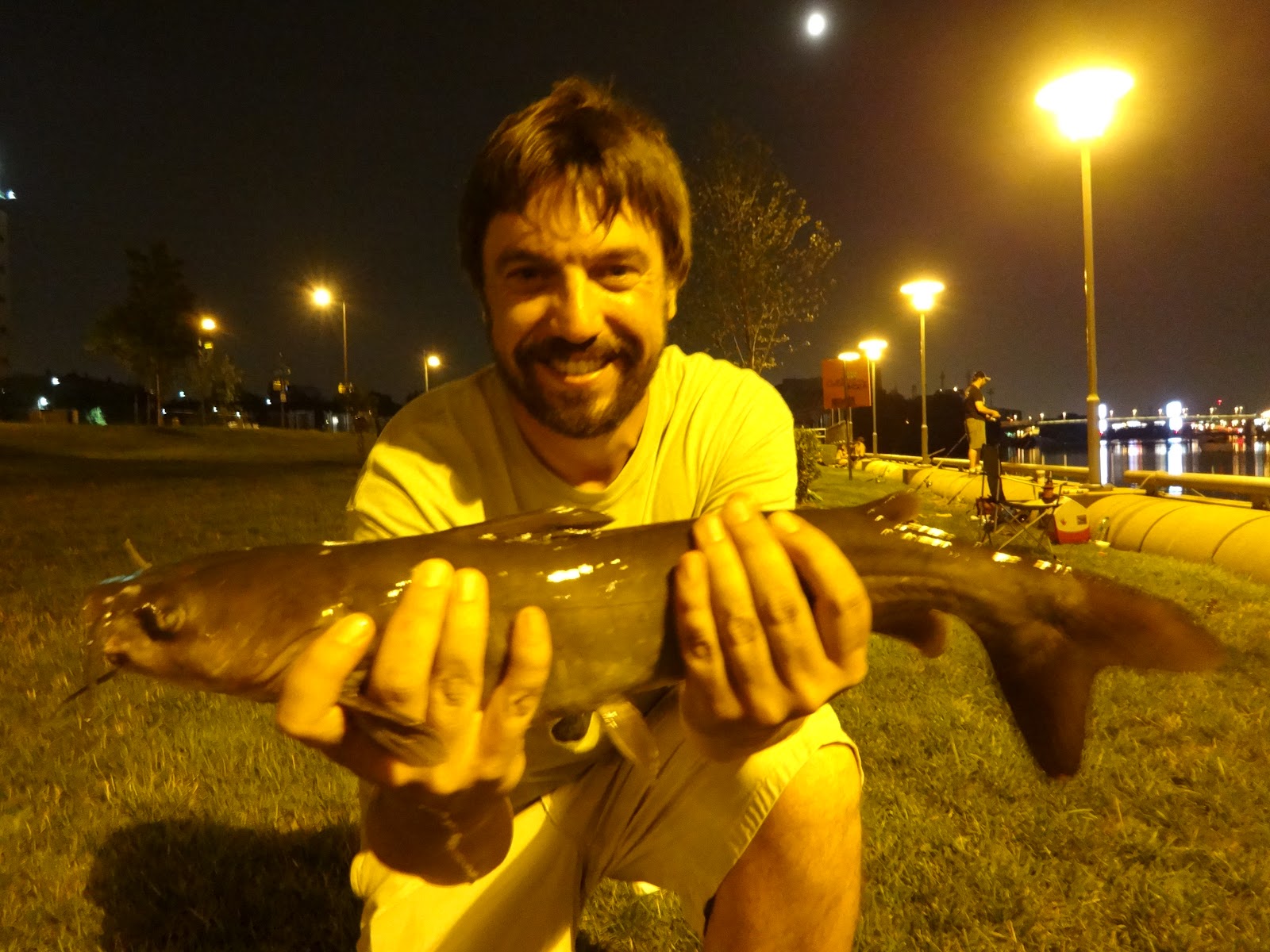
July 27th, Jay D., Schuylkill River between Walnut and Locust. (10:09 p.m.)

July 28th, Jay D., Schuylkill River between Walnut and Locust. (12:10 a.m.)

July 28th, Jay D. and Leo S, Schuylkill River between Walnut and Locust. (12:48 a.m.)

July 29th, Haddon Lake.

July 11th, Rob Z., Schuylkill River at Race st.

July 30th, Mike H., Schuylkill River at Fairmount Dam. (caught on a lure)

July 27th, Mike H., Schuylkill River at Fairmount Dam. (caught on a lure)
Best of luck for all of us, guys!
Long Days and Pleasant Nights,
Sincerely,
Leo S.


